
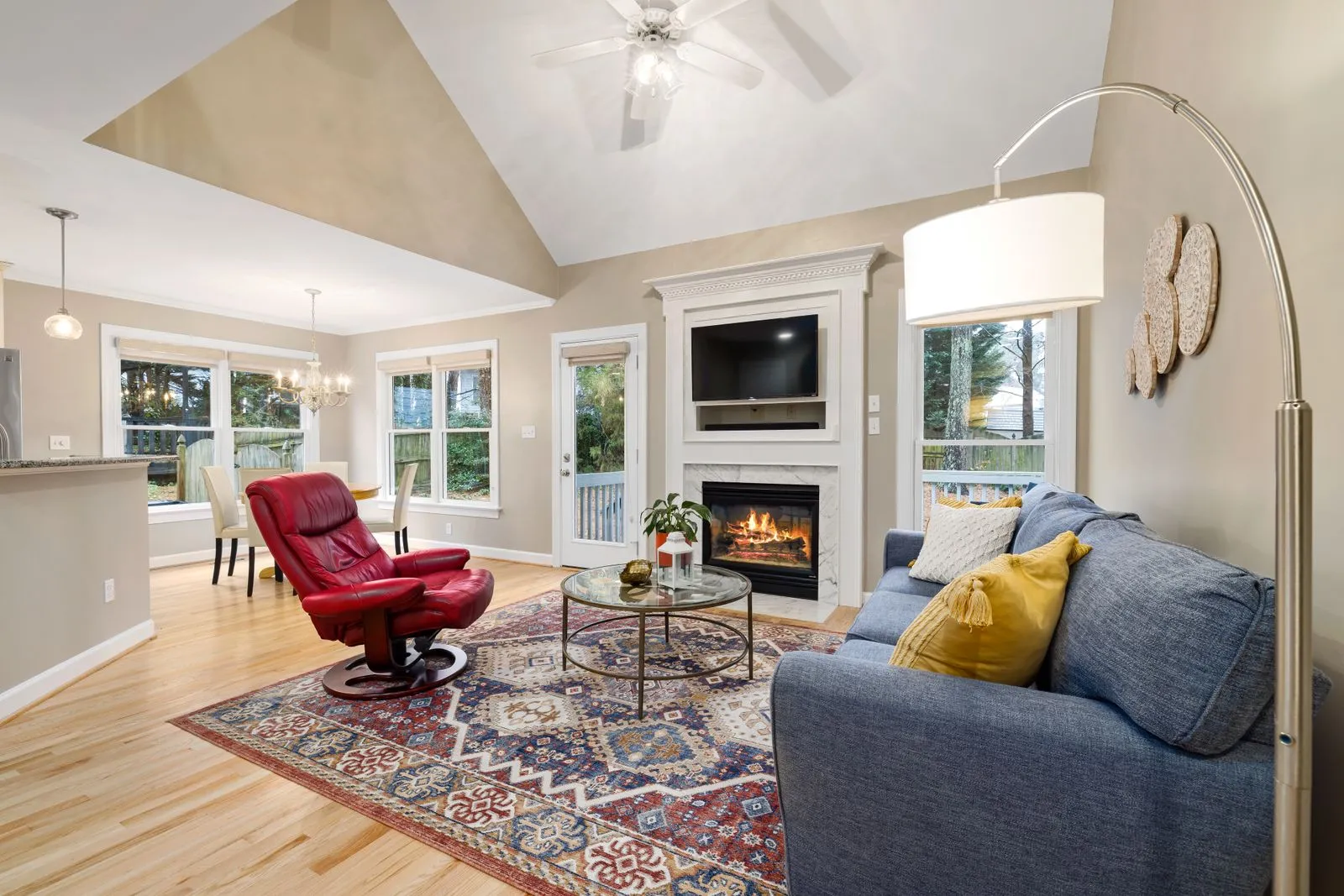
Preparing your home before a staging appointment helps the stager assess the space and make the most of the furniture and decor. You do not need to complete repairs or remove every personal item first. Focus on clearing surfaces, cleaning visible areas, and making rooms easy to access. Use this checklist to work through the home in a practical order, then share any questions or constraints with your stager before the visit.
Declutter Before You Clean
Start by removing items that make rooms feel crowded or distract from their size and features. Clear countertops, dining tables, entry surfaces, and open shelves. Put away loose papers, toys, laundry, pet supplies, and extra small appliances. If you are unsure what to keep, pack nonessential belongings in labeled boxes and store them outside the rooms being staged.
Reduce personal items without stripping the home of all character. Store family photos, collections, valuables, and medication. Keep a few useful everyday items accessible, but avoid leaving them spread across surfaces. Check closets and storage areas too: buyers may open doors, and an overfilled closet can make storage seem limited.
Clean the Most Visible Areas
Clean from the top down so dust does not settle on areas you have already finished. Wipe ceiling fans, light fixtures, shelves, and window sills, then clean counters, cabinet fronts, and floors. Wash interior windows where practical, and clean mirrors until they are free of streaks. Pay attention to fingerprints around switches and door handles.
In kitchens and bathrooms, remove residue, soap buildup, and visible crumbs. Empty trash cans, clean sinks and faucets, and make sure appliances and fixtures look presentable. Vacuum rugs and upholstered furniture, and mop hard floors. If the appointment is soon, prioritize what is visible from the doorway and avoid strong fragrances that may linger.
Get Key Rooms Ready
In the living room, clear walkways and move extra chairs or side tables out of the way. Straighten existing furniture and leave enough room for the stager to adjust the layout. In the dining area, clear the table and remove extra chairs if they crowd the room. Keep the entry clear so the team can bring in furniture without navigating around boxes or shoes.
In bedrooms, make the beds, clear nightstands, and put away clothing and personal items. In bathrooms, store toiletries and spare towels, leaving a clean hand towel if needed. Remove floor mats that cover attractive flooring or make a room feel smaller. If a room serves multiple purposes, tell the stager how you use it so they can plan a clear, practical layout.
Plan for the Appointment
Make every room accessible, including closets, hallways, and the route from the entrance to the spaces being staged. Secure pets, arrange access, and identify any furniture or belongings that should not be moved. Set aside fragile or valuable items rather than assuming they can be handled during the appointment.
Before the visit, note any known concerns such as a broken fixture, a room that cannot be entered, or furniture that must remain. Ask what the staging service will bring and whether you need to supply anything. Prairie Room Staging can use that information to prepare for the appointment, but a clear, clean space is the most useful starting point.
A focused preparation routine makes the staging appointment smoother: remove visual clutter, clean high-impact surfaces, and clear access to key rooms. Work through the checklist without taking on unnecessary projects, and flag anything the stager should know in advance. Once the home is ready, contact your staging provider to confirm appointment details and any remaining preparations.